Endocrine System & Hormones for TEAS 7: Feedback Loops Made Simple

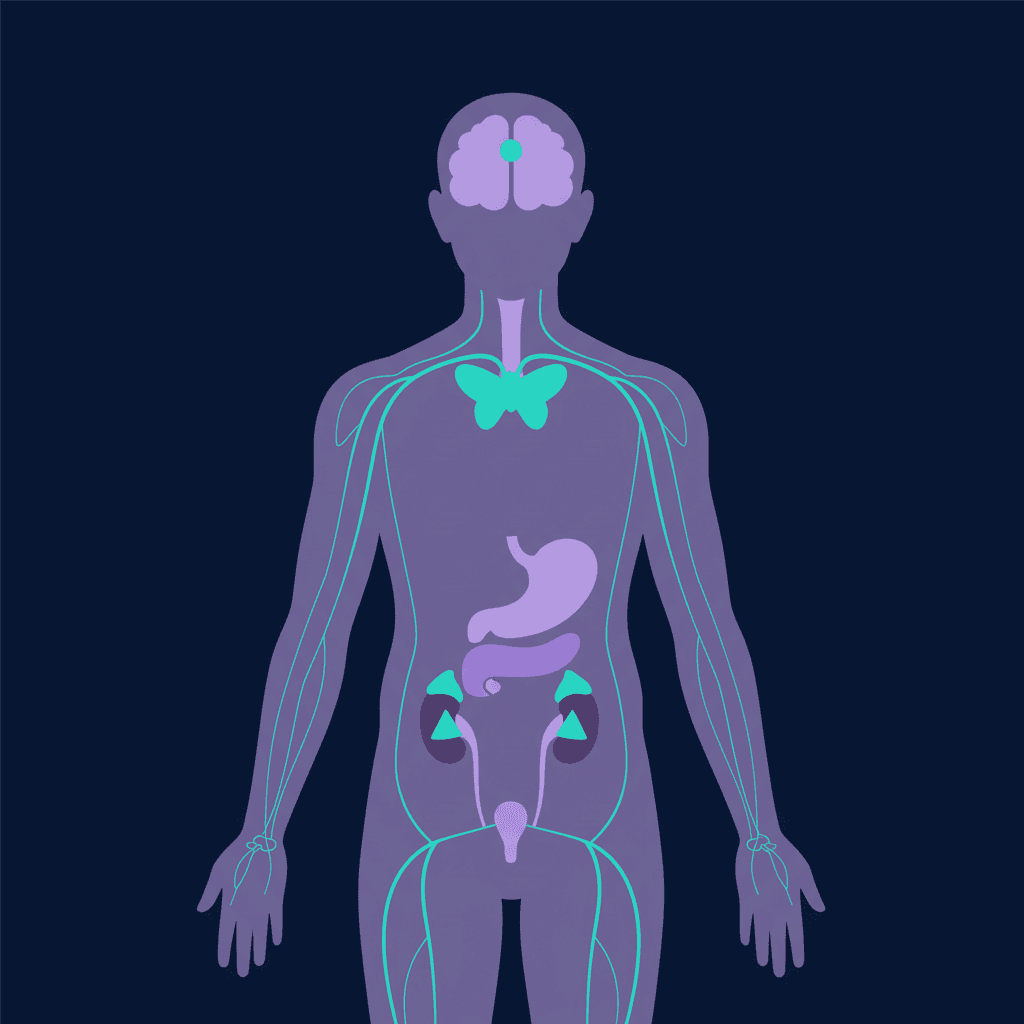
Why Hormones Confuse Everyone (and How to Fix That)
The endocrine system is the most memorization-heavy topic in TEAS Anatomy and Physiology — and the one students most often study wrong. They drill long lists of glands and hormones, then freeze when the exam asks what happens when thyroid hormone runs high, or which gland quiets down once blood sugar normalizes. The TEAS rarely asks for bare definitions. It tests whether you understand how hormones regulate the body through feedback loops.
This guide flips the usual approach: master negative feedback first, then attach the highest-yield glands and hormones to it. That single shift turns a confusing chart into a small set of predictable stories — and predictable stories are what score points.
Endocrine Basics in 60 Seconds
Endocrine glands are ductless: they release hormones directly into the bloodstream, which carries them to target tissues equipped with matching receptors. Only cells with the right receptor respond, which is why one hormone can travel everywhere yet act in one place. Contrast this with exocrine glands (sweat, salivary), which release secretions through ducts to a local target — mixing those two up is a classic TEAS trap.
Hormone release is triggered three ways: blood levels of chemicals (glucose controlling insulin), other hormones (pituitary hormones driving the ovaries and testes), and the nervous system (stress signals releasing epinephrine from the adrenal medulla). Endocrine responses are slower than nervous responses but last far longer.
Negative Feedback: The Concept Behind Half the Questions
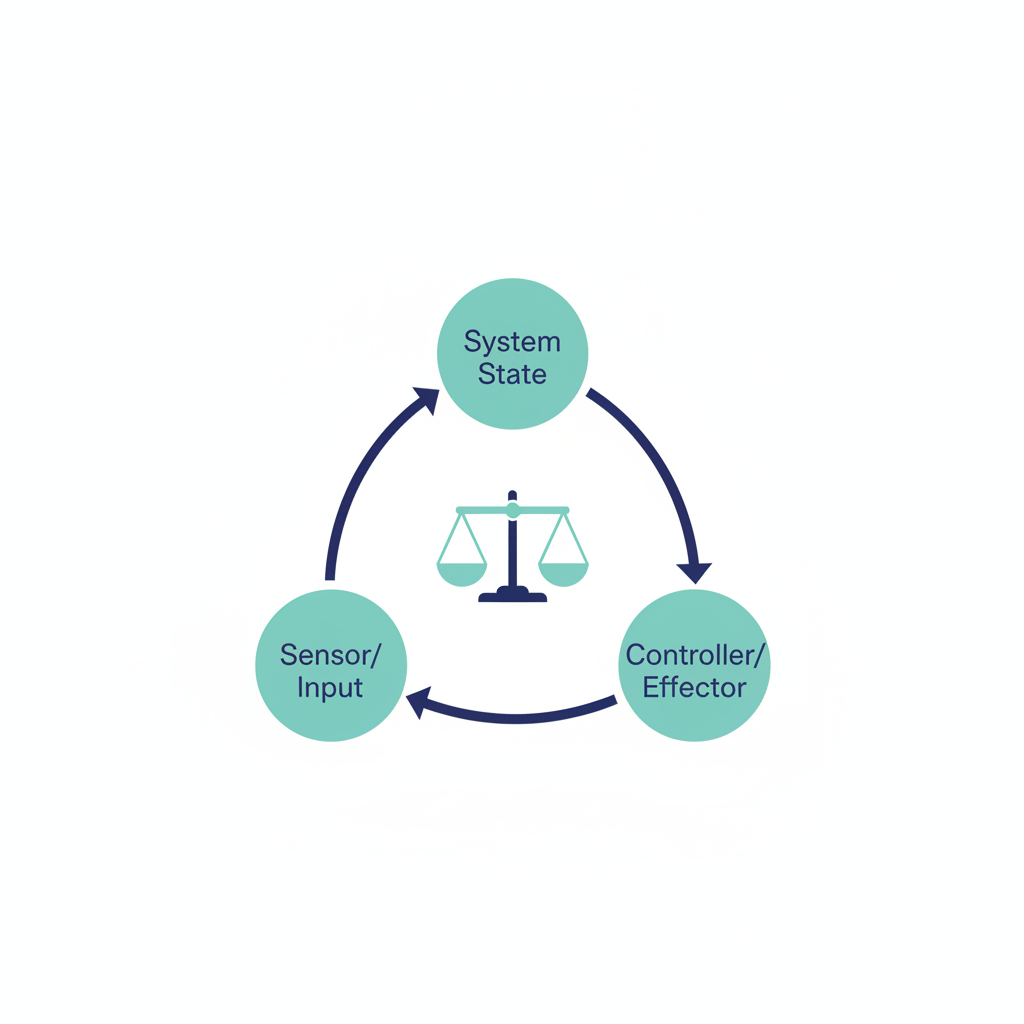
Negative feedback is the primary regulator of the endocrine system and the single most tested idea in this topic. The pattern never changes:
- A stimulus (high blood sugar, low thyroid hormone, stress) triggers hormone release.
- The hormone produces an effect that corrects the original condition.
- Once balance is restored, the correction shuts down further hormone release.
The exam shortcut: whenever a question describes secretion decreasing after balance returns, the answer is negative feedback. Positive feedback — which amplifies rather than reverses, as in oxytocin during childbirth — is rare and usually appears only as a contrast question.
The Glands and Hormones That Actually Appear
You do not need every hormone. Learn this high-yield set organized by gland, and for each one know the trigger, the target, and the effect.
Pituitary: The Master Gland
Controlled by the hypothalamus at the base of the brain. The anterior pituitary makes its own hormones; the posterior pituitary stores and releases hypothalamus-made hormones.
| Hormone | Lobe | Target and effect |
|---|---|---|
| Growth hormone (GH) | Anterior | Most tissues — growth, protein synthesis |
| Thyroid-stimulating hormone (TSH) | Anterior | Thyroid — releases thyroid hormone |
| Adrenocorticotropic hormone (ACTH) | Anterior | Adrenal cortex — releases cortisol |
| Follicle-stimulating hormone (FSH) and Luteinizing hormone (LH) | Anterior | Ovaries and testes — reproduction |
| Prolactin | Anterior | Mammary glands — milk production |
| Antidiuretic hormone (ADH) | Posterior | Kidneys — reabsorb water |
| Oxytocin | Posterior | Uterus and mammary glands — contractions, milk release |
Thyroid, Parathyroid, Adrenals, and Pancreas
| Gland | Hormone | Effect |
|---|---|---|
| Thyroid (neck) | Thyroxine (T3/T4) | Raises metabolic rate; too much causes hyperthyroidism |
| Parathyroid (neck) | Parathyroid hormone (PTH) | Raises blood calcium |
| Adrenal cortex | Cortisol, aldosterone | Stress response, salt and water balance |
| Adrenal medulla | Epinephrine | Fight-or-flight: faster heart, higher pressure |
| Pancreas | Insulin / glucagon | Lowers / raises blood glucose |
| Pineal (brain) | Melatonin | Sleep-wake cycles |
Three Feedback Loops to Trace Blindfolded
| Loop | Stimulus | Hormones | Shutdown signal |
|---|---|---|---|
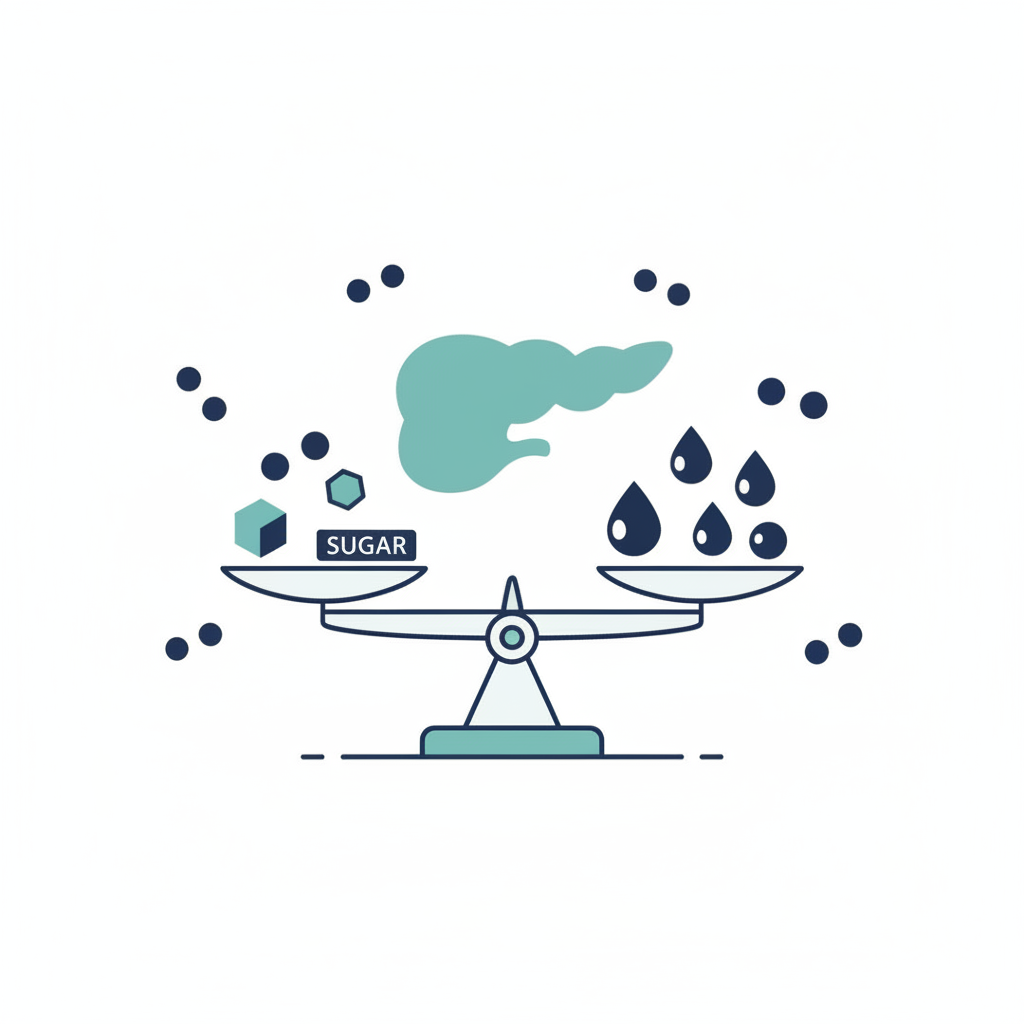
| Blood glucose (high) | Rising glucose | Insulin from pancreas | Normal glucose stops insulin release |
| Blood glucose (low) | Falling glucose | Glucagon from pancreas | Rising glucose stops glucagon release |
| Thyroid axis | Low thyroid hormone | TRH to TSH to T3/T4 | High T3/T4 suppress TRH and TSH |
| Stress axis | Stress or low cortisol | CRH to ACTH to cortisol | Cortisol suppresses CRH and ACTH |
Worked example: A patient's blood shows elevated T3 and T4. What happens to TSH? High thyroid hormone suppresses the pituitary through negative feedback, so TSH release decreases. Any question shaped like "hormone X is high — what happens upstream?" resolves the same way: the upstream signal drops.
4 Traps That Catch Memorizers
- Exocrine versus endocrine. Ducts versus bloodstream — the pancreas is both, which is exactly why it gets asked.
- Anterior versus posterior pituitary. Anterior makes hormones; posterior only stores and releases ADH and oxytocin.
- Calcitonin versus PTH. They oppose each other on blood calcium: PTH raises it, calcitonin lowers it.
- Insulin versus glucagon. Opposite effects, opposite triggers — high glucose calls insulin, low glucose calls glucagon.
Study Checklist
- Explain negative feedback aloud in one sentence, then trace all three loops from stimulus to shutdown.
- Recite the seven anterior and two posterior pituitary hormones with one target each.
- State the insulin/glucagon, calcitonin/PTH, and cortisol pairs without notes.
- Answer "what happens upstream?" for any elevated hormone by defaulting to suppression.
Study loops, not lists. When you can trace each feedback story from trigger to shutdown, endocrine questions stop feeling like memorization and start feeling like the easy points they are. Pair this guide with our cardiovascular walkthrough to cover the two most-tested body systems together.
Frequently Asked Questions
Related Posts
View all articles
10 TEAS Mistakes That Cost Points (and How to Avoid Every One)
The 10 TEAS mistakes behind most lost points: planning, study strategy, execution, and test-day errors, plus an anti-mistake checklist.

Beat TEAS Test Anxiety: A Per-Section Pacing Plan That Works
Beat TEAS test anxiety with exact per-section pacing budgets, panic-proof preparation habits, and a 30-second mid-exam recovery protocol.

TEAS for LPN Programs: Scores, Paths & a 4-Week Plan
TEAS for LPN programs: realistic score targets, LPN vs RN paths, and a focused 4-week study plan for working adults.